The CS community's favorite pastime is to criticize. This is understandable. Everyone likes to express their opinions on players, teams, tournaments, and casters, to let others know their views and judgments. This is part of esports and the fun of being a esports fan. Anyone can have their own opinions and discuss and debate with other community members.
Top teams, especially, are the hot topic of fan opinions, and this is understandable. Top teams compete for trophies and honors and are the most eye-catching teams in the tournament. They appear in all top tournaments and usually reach the elimination stage, so their fans are everywhere in the tournament. These teams are easily subjected to the community's incredible harsh treatment. Although this may only be the voice of a few, hating on specific lineups is the preferred pastime of many fans.
These relentless negative opinions are often too harsh. In these criticisms, fair analysis and criticism are concealed, and fans instead support popular opinions. Team rosters are burdened by unrealistic external expectations, and their achievements are often denied as a result. The community gives these lineups very little time to adapt, and if they cannot quickly perform well, they will face ruthless criticism.
Top lineups are particularly criticized by the public in this regard. In the extreme criticisms against these lineups, several recurring themes appear, and almost everyone has been criticized by the outside world to a greater or lesser extent.
Paper Sword
The first recurring theme in the community's criticism of lineup success or failure is that they either focus only on the ongoing tournament week, overlook or downplay the broader background, or ignore the team's performance in multiple tournaments to affirm their outstanding performance. The shift of targets depends on the team and the narratives surrounding the team.
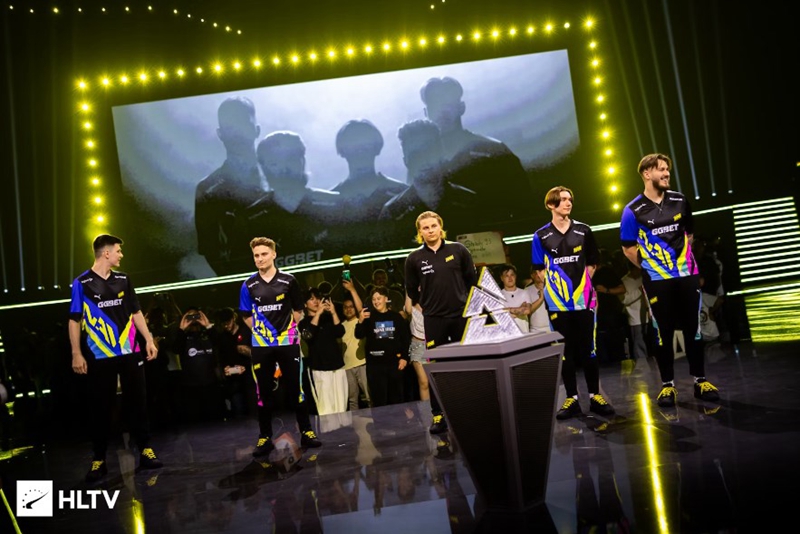
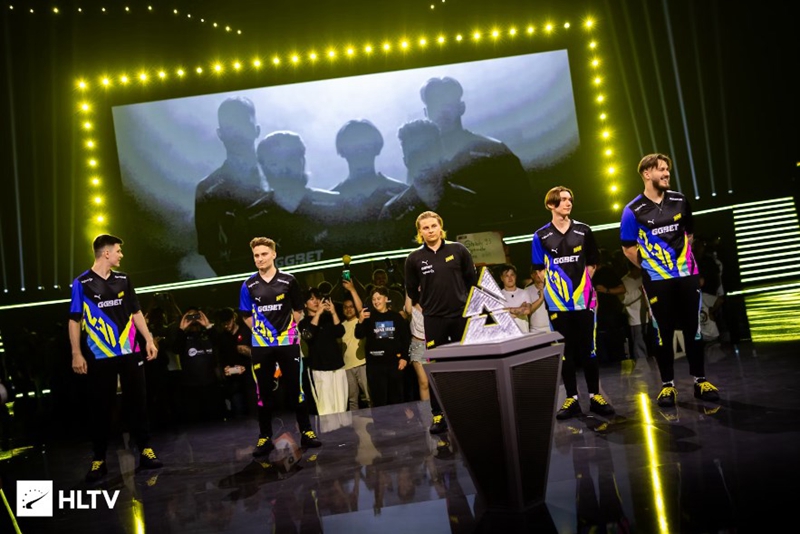
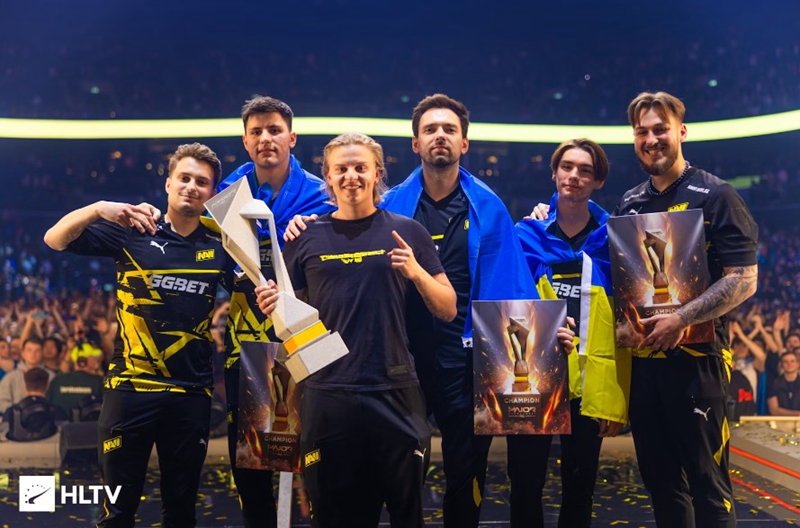
Mouz and Natus Vincere are two recent typical examples. In the case of MOUZ, their brilliant record of one runner-up and two championships has been almost forgotten in the disastrous IEM Dallas. In the case of Natus Vincere, based on their struggles in events other than the Copenhagen Major, their historic victory in the Copenhagen Major is also seen as a fluke due to the broader background.
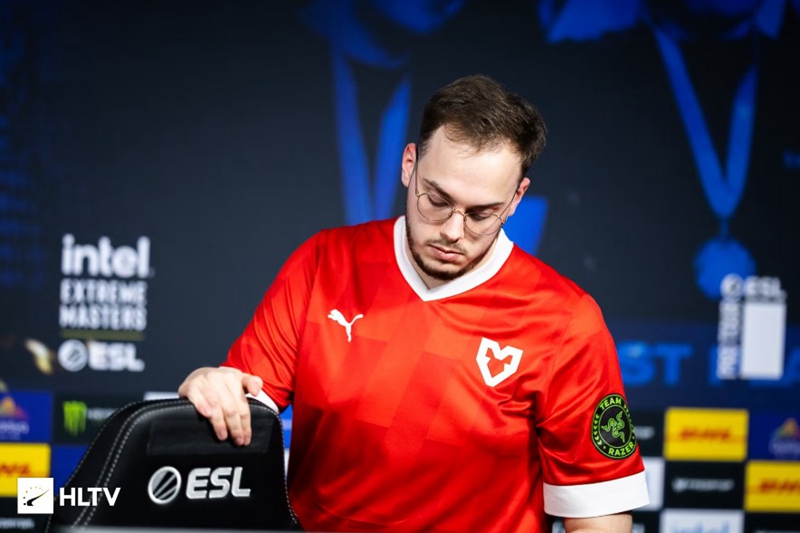
Standards are constantly being moved to fit the narratives that the community seems to favor. MOUZ is a relatively popular team, but people generally believe that they have difficulty handling the pressure of big tournaments and can only perform well in the studio environment. This means that the community is angry at them for not continuing their previous success in offline tournament arenas. Natus Vincere's current lineup includes some targets that are popular among the community, such as iM and Aleksib, so any excuses to diminish their Major journey are immediately captured by the community.
But the question is, was MOUZ's disastrous defeat in Dallas due to their long-term high-intensity battles, how many people noticed this? Did many people sing the praises of NAVI's strong recovery during the Major, bouncing back after being defeated by Spirit and Cloud9? The popular opinions in the community seem to be more influential than considering the background.
The community's perspectives are not unreasonable, but they generally tend to either exaggerate or ignore the background. In other words, the criteria for judging different teams are not the same.
Unrealistic Expectations
The community's expectations often set unrealistic expectations for lineups based on the circumstances of the relevant players. Of course, this is normal. But when it comes to top teams, these expectations seem to be disconnected from reality. Take G2 as an example. There is no doubt that they have the two most outstanding players in the game, namely m0NESY and NiKo. In the past 18 months, G2's current lineup has achieved good results, consistently reaching the playoffs, winning titles in Katowice and Cologne, and reaching the top four in the Major. However, somehow, during this period, G2 is likely the most criticized top team.
G2 is indeed the home of NiKo and m0NESY, but compared to other top teams, G2's lineup is not particularly strong. huNter- has performed steadily, with impressive peak performances, but his rating in his T1 career is only around 1.10. HooXi is not a top-tier fragger himself. Neither jks nor nexa are players who can single-handedly turn the tide of the game.
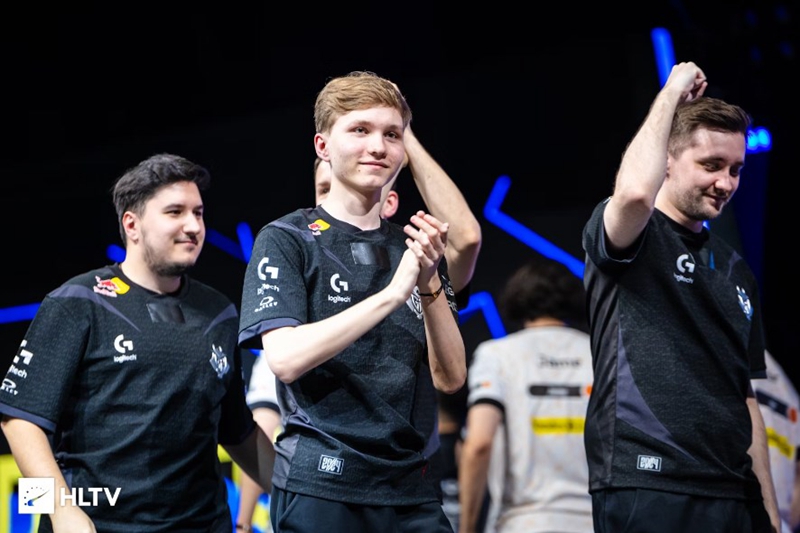
Given this, do you really think G2's current lineup is performing poorly? This seems to be the case for m0NESY, and it appears that G2 organization also feels that the lineup did not achieve the expected results. But is the harsh evaluation of their previous core lineup really fair?
Should we mention NAVI again? Who are the superstars in their team? Even stable superstars? Except for b1t and Aleksib, NAVI does not have experienced T1 players. Based on the community's view, the achievements of NAVI are not even worth mentioning. If the NAVI lineup is really that bad, why aren't we impressed by their performance?
Some believe that part of the basis for these expectations lies in the reputation of the organizations. This makes sense, but how meaningful is it when considering the success of specific lineups? If Natus Vincere does not have players that match the iconic lineup that won the Major championship, and if G2's lineup is as talented as the teams around them, then why should we exaggerate our expectations?
No Success, No Mercy
Not only in CS, but also in all esports communities, there is an absolute classic phenomenon: giving lineups five minutes to become the greatest team in history, otherwise they are just bad teams. It only takes two to three tournaments, and the community will sneer at any lineup. Countless examples of this attitude have emerged recently. Natus Vincere's European international lineup was criticized shortly after its formation in the mid-2020, and by the end of the year, most people had given up hope of the lineup achieving any results.
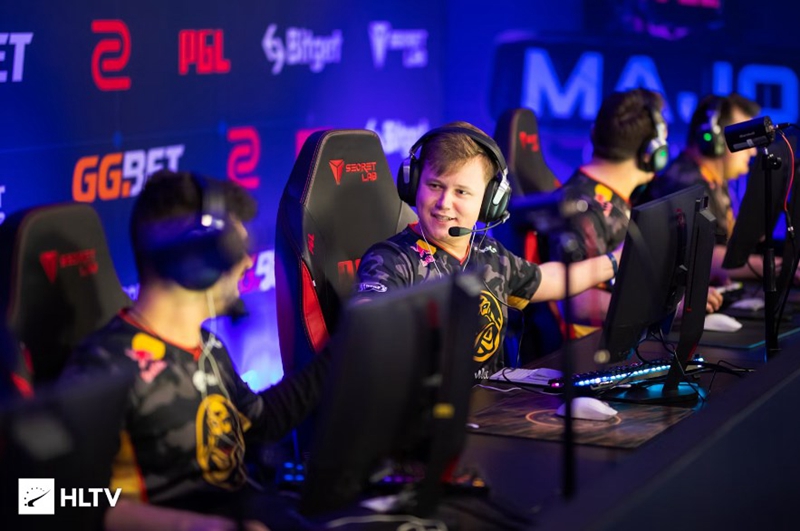
The same goes for G2 with nexa and the international roster of Liquid. The lineups of these three teams were prematurely judged. It took a long time for Snappi's ENCE to gel before its breakout performance in the 2021 IEM Fall event, MOUZ's academy lineup went through several seasons of WePlay Academy before achieving T1 level, and EF's lineup also took months to reach T1 level.
In short, the community gives too little time. Various decisive statements have already been made before the final results of the lineup are determined.
The Past is Gone
In most of CSGO's history, the pinnacle of success was winning numerous championships throughout the year, winning multiple Major trophies, and dominating with a single lineup. Examples include Ninjas in Pyjamas, fnatic, Luminosity, and SK.
But now, with the evolution of the game, top-tier players emerging one after another, and teams supported by strong club resources, even the recent strong lineups of NAVI and FaZe cannot compare to the top teams in CSGO's early days.
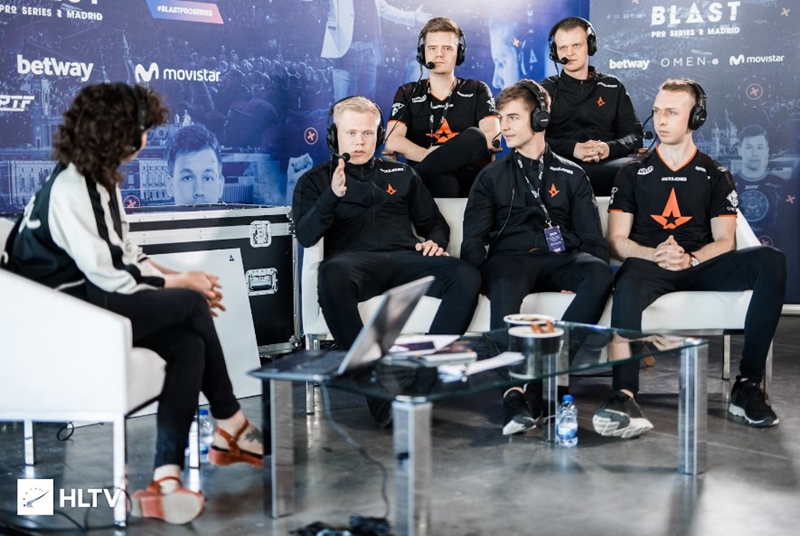
The definition of Top1 should also change. CSers who have experienced the golden Astralis have their own definition of the Top1 team, so many CSers now have similar views. But G2's double championships in Katowice and Cologne were very successful, NAVI also had a successful year, and MOUZ should be praised. We should not measure the achievements that the world's top teams should achieve with outdated standards.